
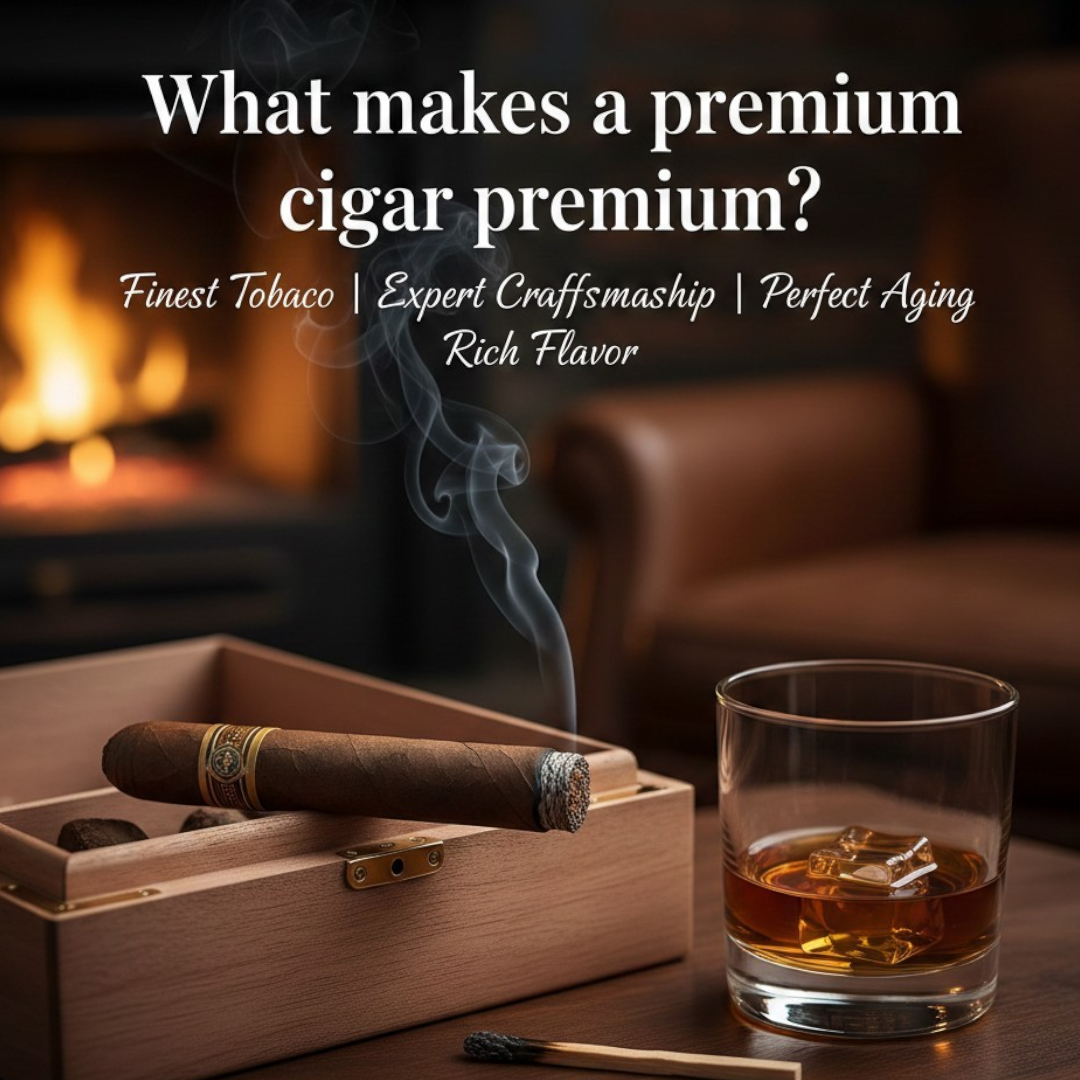
The cigar industry presents an interesting question to consumers: why does one cigar cost $8 while another commands $25 or more? Price differences in premium cigars don’t stem from arbitrary markup strategies. The gap reflects fundamental differences in tobacco sourcing, construction techniques, aging duration, and quality control standards.
Premium Tobacco Selection Defines Quality From the Start
Premium cigar production begins with tobacco selection, and this stage determines much of what separates exceptional cigars from ordinary ones. Tobacco grows in specific regions known for producing superior leaf: Cuba’s Vuelta Abajo, Nicaragua’s volcanic valleys, Ecuador’s cloud-covered highlands, and Connecticut’s river valleys each contribute distinct characteristics.
The terroir concept applies to tobacco just as it does to wine grapes. Soil composition, rainfall patterns, temperature variations, and altitude all influence leaf development. Premium tobacco farms implement careful cultivation practices—optimal planting density, targeted nutrient delivery, pest management strategies that preserve leaf integrity.
Leaf position on the plant matters significantly. Tobacco plants produce three main leaf categories based on stalk position. Volado leaves from the bottom provide combustion support but minimal flavor. Seco leaves from the middle contribute aroma and moderate body. Ligero leaves from the top deliver strength and complexity. Premium blends use carefully selected leaves from each category, while budget cigars often rely on whatever’s available.
Wrapper leaf selection receives particular attention in premium cigar manufacturing. The wrapper contributes 60-80% of perceived flavor, making it the most critical component. Premium wrappers grow under shade cloth to produce thin, elastic leaves with minimal veining. Growers harvest these leaves at precise maturity points, then sort them based on color uniformity and texture. Rejection rates for premium wrapper tobacco often exceed 60%.
Fermentation and Aging Transform Raw Tobacco Into Premium Leaf
Raw tobacco straight from the field contains harsh compounds, excessive moisture, and undeveloped flavors. Fermentation addresses these issues through controlled bacterial breakdown of unwanted elements. The process requires constant monitoring—temperature, humidity, and timing must align precisely.
Budget cigar manufacturers ferment tobacco for minimal periods, sometimes just weeks. Premium tobacco undergoes extended fermentation cycles, often measured in months. The pilones (tobacco piles) must be rotated regularly, with workers checking leaf condition by smell and touch. Temperature spikes get controlled immediately to prevent damage.
After fermentation completes, premium tobacco enters aging periods that can span years. Aging allows flavors to marry, harsh notes to dissipate, and complexity to develop. Some premium manufacturers age tobacco in climate-controlled facilities for five years or longer before blending. This extended aging ties up capital and requires dedicated storage space, but it produces refined tobacco that can’t be rushed.
Certain premium brands implement additional aging steps. Some age finished cigars before release, allowing the blend to settle and integrate. This practice adds months or years to production timelines but delivers noticeable improvements in smoke quality.
Construction Techniques Separate Premium From Standard
Rolling cigars requires significant skill, but rolling premium cigars demands mastery. Torcedores (cigar rollers) train for years to achieve the consistency premium brands require. The difference shows in every aspect of construction.
Premium cigars use long-filler tobacco—whole leaves running the cigar’s full length. This construction method requires precise bunching to create air channels that allow smooth draw while maintaining structural integrity. Each leaf must be positioned deliberately, with the roller making constant adjustments based on how the tobacco responds.
Understanding the difference between long filler and short filler construction helps consumers recognize quality indicators. Short filler cigars use chopped tobacco scraps, which require less rolling skill and produce inconsistent burns and flavors.
The cap construction reveals construction quality immediately. Premium cigars feature triple-cap construction—three pieces of wrapper leaf applied in a specific pattern. This technique creates a secure seal that won’t unravel when cut. Budget cigars often use single caps or poorly applied caps that fail during cutting.
Draw resistance gets carefully calibrated in premium cigars. Too tight, and the cigar becomes difficult to smoke. Too loose, and it burns hot and fast. Master rollers achieve the perfect balance through years of experience and constant quality feedback.
Blending Creates Complexity and Character
Premium cigar blending combines art and science in equal measure. Master blenders work with dozens of tobacco varieties, each contributing specific characteristics. The goal: create a blend that evolves throughout the smoke while maintaining balance.
Simple blends might combine three or four tobaccos. Complex premium blends incorporate ten or more different leaves, each selected for its contribution at specific stages. The blender considers how tobaccos interact—which combinations amplify desired characteristics, which provide balance, which add subtle background notes.
Temperature dynamics influence how flavors present themselves during smoking. As cigars heat up, different compounds become volatile at different rates. Premium blenders account for this, ensuring the blend delivers satisfying experiences from first puff through final draws.
Some premium cigars demonstrate this blending mastery particularly well. The El Septimo Rebelde Blue achieves a rating of 98 through exceptional complexity and flavor evolution. Similarly, the Drew Estate Blackened S81 Maduro Toro scores 93 with its smooth complexity spanning chocolate, fruit, and nut flavors across different thirds.
Quality Control Standards Define Premium Manufacturers
Premium cigar brands implement quality control measures that budget manufacturers can’t justify economically. Multiple inspection points catch defects before cigars reach consumers.
Leaf inspection happens before tobacco reaches rolling tables. Workers examine individual leaves for damage, discoloration, or excessive veining. Rejected tobacco gets diverted to lower-grade products or discarded entirely.
During rolling, quality control specialists monitor work continuously. They check bunch density, weight consistency, cap application, and visual appearance. Cigars failing any standard get pulled immediately.
Some premium manufacturers employ dedicated smoking teams who test-smoke random samples from each production batch. This catches issues that visual inspection might miss—draw problems, burn irregularities, flavor inconsistencies.
Final inspection examines finished cigars for any defects that earlier checks missed. Premium brands typically reject 10-20% of finished cigars that don’t meet specifications. Budget brands accept virtually everything produced.
The Eladio Diaz 70 Aniversario demonstrates how premium quality control produces consistently excellent results. The cigar’s firm, even roll and oily wrapper reflect manufacturing standards that prioritize perfection over production speed.
Brand Reputation Reflects Consistent Excellence
Premium cigar brands build reputations over decades through consistent quality delivery. This consistency requires substantial infrastructure investment and long-term planning.
Established premium manufacturers maintain relationships with specific tobacco farms, sometimes spanning generations. These partnerships ensure access to superior tobacco and allow for advance planning. When specific tobacco varieties become available, premium brands secure supplies years ahead.
Retaining experienced workers matters significantly. Master blenders and torcedores develop expertise over careers spanning decades. Premium brands invest in competitive compensation and working conditions to retain these valuable employees.
Consistency carries economic weight—premium brands can command higher prices because consumers trust the quality will match expectations. This trust doesn’t develop overnight. It requires delivering excellence repeatedly across years or decades.
The Perdomo 30th Anniversary Connecticut’s 90-point rating reflects this kind of established excellence. The cigar presents refined complexity with creamy texture, balanced flavors, and precise construction—hallmarks of a brand with decades of experience.
The Premium Cigar Experience: What Justifies the Investment
Premium cigars deliver distinct experiences that budget alternatives rarely match. The flavors present themselves cleanly, without harsh notes or chemical tastes. Construction quality means fewer draw problems, even burns, and reliable performance.
Complexity develops throughout the smoke. Premium blends reveal different characteristics in each third, creating interest and engagement. Budget cigars often deliver one-dimensional flavor from start to finish.
Premium cigars typically age well when stored properly. The quality tobacco and expert construction allow these cigars to develop additional complexity over time. Budget cigars rarely improve with age—they simply are what they are.
The smoking experience itself differs noticeably. Premium cigars burn at consistent rates with minimal relighting needed. The smoke remains cool and flavorful throughout. Draw resistance stays optimal from first puff to final inch.
Understanding Value in Premium Cigar Pricing
Not all expensive cigars represent good value, and not all affordable cigars disappoint. The relationship between price and quality isn’t always linear. Some cigars in the $15-20 range deliver experiences comparable to cigars costing twice as much.
Beyond certain price points, consumers pay increasingly for rarity, brand prestige, and exclusivity rather than proportional quality improvements. A $30 cigar often provides substantially better experiences than a $10 cigar. A $100 cigar might not deliver experiences five times better than a $20 cigar, despite the price multiple.
Limited production runs, ultra-rare tobaccos, extended aging periods, and celebrity endorsements all add costs without necessarily adding proportional quality improvements. Consumers should evaluate whether these premium elements matter for their smoking preferences.
The most satisfying approach involves understanding personal preferences and finding cigars that deliver desired experiences at prices that feel reasonable. New cigar smokers benefit from starting with accessible premium cigars that showcase quality without demanding expert palates to appreciate.


Premium Quality Indicators to Recognize
Several observable characteristics help identify premium cigars before purchasing or smoking them. Wrapper quality shows immediately—premium wrappers display consistent color, minimal veining, slight oiliness, and smooth texture. Budget wrappers often appear dry, heavily veined, or discolored.
Construction firmness provides clues about quality. Premium cigars feel uniformly firm along their length, indicating proper bunching. Soft spots suggest inconsistent filler distribution, which causes burn problems.
Cap application reveals construction standards. Premium cigars feature neat, secure caps that won’t unravel when cut. Sloppy caps indicate rushed production or insufficient quality control.
Weight consistency matters in premium cigars. Picking up several cigars from the same box, they should feel similarly weighted. Significant weight variations suggest inconsistent tobacco packing.
Learning how to inspect cigars before buying helps consumers make informed purchasing decisions and avoid disappointing experiences.
The Investment in Premium Cigars
Premium cigars cost more because they genuinely offer more. The price reflects superior tobacco from specific regions and farms, extended fermentation and aging periods, expert blending and construction, rigorous quality control, and brand reliability built over years or decades.
These elements combine to create smoking experiences that budget cigars can’t replicate. The clean flavors, smooth draw, even burn, and engaging complexity justify premium prices for consumers who appreciate these qualities.
The best premium cigars deliver consistent excellence. They perform reliably, age gracefully, and provide the satisfaction that makes cigar smoking rewarding. Whether that premium is worth paying depends on individual preferences and budget considerations, but understanding what creates premium quality helps consumers make informed decisions.
The cigar market offers options across every price point, from excellent budget sticks to ultra-premium offerings. Exploring different options while understanding quality factors helps smokers find cigars that deliver maximum satisfaction at prices that feel appropriate. Premium cigars aren’t necessary for everyone, but for those who appreciate the difference, the investment enhances every smoking session.
If this post answered one question, there are dozens more worth exploring. Over the years on VDG Cigars, every major topic in the premium cigar world has been covered — beginner guides, storage, palate training, troubleshooting, pairing, brand deep-dives, and original interviews with founders. It is all collected in one place: The Complete Cigar Guide: Everything You Need to Know About Premium Cigars.
Subscribe to our newsletter and find out about all new posts
Check out our latest posts
- What Is a Connecticut Cigar? The Wrapper Explained
 A Connecticut cigar is named after its wrapper. Not the country it was made in, not the filler inside it. The tobacco in the middle… Read more: What Is a Connecticut Cigar? The Wrapper Explained
- How a Cigar Is Made, From Seed to Shop
 The cigar in your hand took longer to make than most people think, and almost none of that time was spent rolling it. Rolling is… Read more: How a Cigar Is Made, From Seed to Shop
- Top 30 Best Winter Cigars (2026): Reviewed by Flavor, Body and Smoke Time
 Winter changes the whole cigar. The evenings start at four. The smoking chair moves closer to the fire, or the cigar moves out to the… Read more: Top 30 Best Winter Cigars (2026): Reviewed by Flavor, Body and Smoke Time
- Cigar Ring Gauge in mm: Every Size, and What Thickness Actually Changes
 Ring gauge is how thick a cigar is. The second number in a 5 x 50 is the ring gauge, and it counts in sixty… Read more: Cigar Ring Gauge in mm: Every Size, and What Thickness Actually Changes
- Horacio 8 Classic Review: A Small, Nutty Costa Rican Everyday Smoke
 The Horacio 8 is a short, medium-bodied cigar that packs plenty of flavor into a compact format. Over 50 minutes it works through sweet almond… Read more: Horacio 8 Classic Review: A Small, Nutty Costa Rican Everyday Smoke
- Karina Owen: The Woman Who Built Her Own Name (Part 3 of 3)
 Something personal before any of this begins. I have been working on Karina Owen’s story for a few months now. Sitting here writing the last… Read more: Karina Owen: The Woman Who Built Her Own Name (Part 3 of 3)
- Horacio Heritage 6 Review: A Full-Bodied Costa Rican With a Perfumed Floral Edge
 The Horacio Heritage 6 is a short, full-bodied cigar with an unusual, perfume-like floral character that sets it apart. Over 45 minutes it works through… Read more: Horacio Heritage 6 Review: A Full-Bodied Costa Rican With a Perfumed Floral Edge
- Karina Owen: The Years That Taught Her People (Part 2 of 3)
 Part 1 of this interview ended with a door Karina Owen left unlocked. She had changed her degree, kept her credits, and told herself that… Read more: Karina Owen: The Years That Taught Her People (Part 2 of 3)
